Trauma and Narrative Integration
When the Story Shatters
Trauma does not just wound the body or the emotions. It shatters the narrative.
When something terrible happens, whether it is a single catastrophic event or the slow accumulation of relational wounds, the brain's capacity for coherent storytelling breaks down. The Prefrontal Cortex, which is responsible for meaning-making and narrative integration, goes offline. What remains are fragments: disconnected images, sensations, emotions, and beliefs that do not fit together into a coherent whole.
This is why trauma survivors often describe their experience as feeling 'stuck,' 'broken,' or 'like a different person.' It is not a character flaw. It is a neurological reality. The story has shattered.
"A mosaic does not hide its fractures. It uses them to create a picture that is whole, beautiful, and deeply true."
Integration, Not Erasure
Healing from trauma is not about forgetting. It is not about 'getting over it' or 'moving on.' It is about integration, the process of gathering the shattered fragments of your story and arranging them into a mosaic that is whole.
In Life Telling Processing, we approach trauma with deep respect for the wisdom of your nervous system. We do not force you to relive painful memories. Instead, we gently explore the narrative fragments, the beliefs, the emotions, the archetypal injuries, that are keeping you stuck. We work at the pace of your story, not the pace of a treatment protocol.
Over time, the fragments begin to find their place. The story becomes coherent. The mosaic emerges.
How Life Telling Processing Approaches Trauma
Life Telling Processing (LTP) is a neuro-archetypal modality that works at the intersection of the neuroscience of narrative integration and the depth psychology of archetypal healing. In trauma work, this means we attend to both the body and the story simultaneously.
We begin by establishing what trauma-informed practitioners call the window of tolerance, a regulated, safe internal state from which the nervous system can begin to process what it has been holding. This is not rushed. For many clients who have spent years managing their trauma through performance and achievement, simply slowing down and feeling safe is itself a significant first step.
From that foundation of safety, we begin the work of somatic anchoring, learning to recognize and gently interrupt the survival patterns that have been running in the background of your life. We name the archetypal injuries that formed in the wake of the original wound: the Warrior who learned that vulnerability was dangerous, the Lover who learned that connection was unsafe, the Uninitiated One who learned that belonging required self-erasure.
Then comes the narrative work. We gather the fragments, the disconnected images, beliefs, and emotional residue, and begin the slow, careful process of weaving them into a coherent story. Not a story that minimizes what happened, but one that holds it truthfully and places it within the larger arc of who you are becoming.
This Work Is For You If...
- →You feel stuck in a chapter of your story that you cannot seem to move past
- →You carry a sense of fragmentation, as though different parts of your life do not fit together
- →You have tried to 'get over it' through willpower, achievement, or busyness, and it has not worked
- →You want to understand your patterns, not just manage your symptoms
- →You are ready to move from surviving your story to integrating it
- →You want a counselor who will honor the pace of your nervous system, not rush you toward a predetermined outcome
The Weight of Everyone Else's World: Understanding the Nurturer Wound
The Nurturer archetype is the capacity for compassion, attunement, and genuine care. When this archetype is wounded, care becomes compulsion. And a person who cannot stop giving is not generous. They are afraid.
Read more →The Tamed Wild: Understanding the Wild One Wound
The Wild One archetype is the capacity for aliveness, instinct, and untamed vitality. When this archetype is wounded, the wildness does not disappear. It goes underground. And a life without wildness is a life that has lost its pulse.
Read more →The Wound That Closed the Heart: Understanding the Lover Archetype
The Lover archetype is the capacity for connection, beauty, and embodied presence. When this archetype is wounded, the heart does not simply break. It closes. Understanding this wound is the beginning of the path back to aliveness.
Read more →When the Story Shatters: What Trauma Actually Does to the Narrative
Trauma does not just wound the body or the emotions. It shatters the narrative. Understanding what trauma actually does to the story is the beginning of the path toward integration.
Read more →The Mosaic Metaphor: Why We Don't Throw Away the Broken Pieces
A mosaic does not hide its fractures. It uses them. The broken pieces are not the problem. They are the medium.
Read more →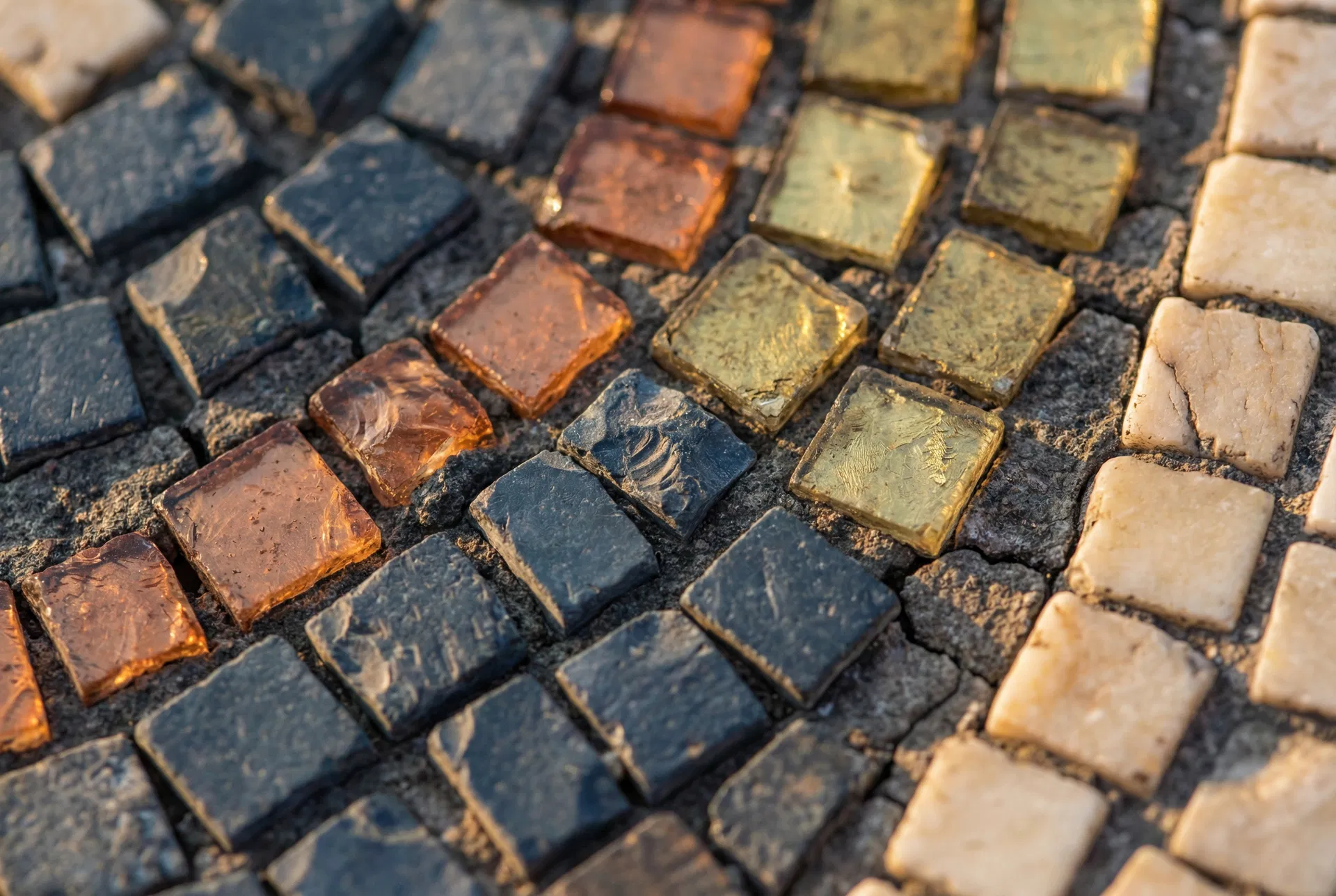
Stay on the Couragepath
Occasional reflections on the neuroscience of healing, the contemplative life, and the deeper story. No noise. No sales. Just the work.